
Health
Boylecheloid: Meaning, Causes, Symptoms, and Complete Guide to Understanding This Rarely Discussed Skin Condition

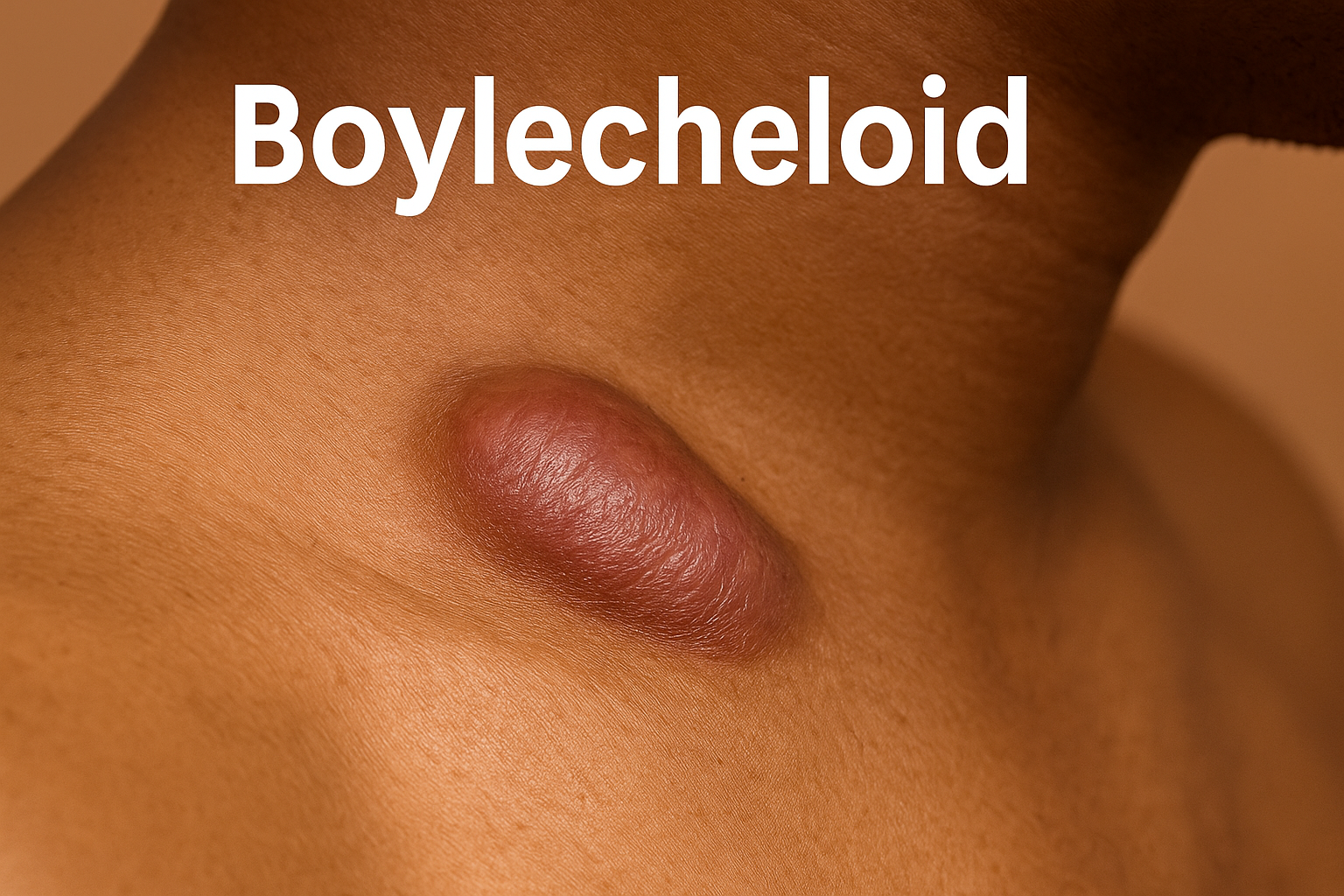
Boylecheloid is an emerging and uncommon term that has gained attention in online discussions, skin-care forums, and self-diagnosis platforms. Although it does not appear in conventional dermatology textbooks or medical journals, people use the word to describe a very specific skin concern: a raised, keloid-like scar that forms after a boil or severe skin infection.
The term itself appears to be a combination of two concepts. The first part, “Boyle,” refers to boil or painful inflamed skin infection. The second part, “cheloid,” resembles the word “keloid,” which is a type of raised scar caused by excessive collagen production. When blended together, the term Boylecheloid refers to:
A thick, raised, keloid-like formation that appears after a healed boil.
Many people who experience unusual scarring after a boil search for words to describe what they are seeing, and Boylecheloid has surfaced as a descriptive expression to fill that gap. Even though the medical community does not officially recognize it, the symptoms people associate with Boylecheloid are very real.
Why the Term Boylecheloid Matters
In today’s digital age, individuals often turn to the internet before consulting a specialist. When they notice abnormal scarring after a boil, they might search for terms like “post-boil scar,” “raised boil scar,” or “keloid after boil.” In some of these discussions, the keyword Boylecheloid appears as a simplified way to describe this exact condition.
Understanding this term is important because it reflects real human concerns such as:
Painful or uncomfortable scarring
Cosmetic worries
Anxiety about abnormal skin changes
Confusion about whether a scar is normal or not
The term may not be medically standard, but it represents a real problem: the formation of keloid-like tissue after inflammation.
How Boylecheloid Develops After a Boil
To understand Boylecheloid, we need to explore the process of how boils and keloid-like scars form.
A boil, or furuncle, appears when a hair follicle becomes infected with bacteria. The infection causes:
Redness
Inflammation
Pus formation
Pain and swelling
When a boil ruptures or drains, the skin begins to heal. For many people, this healing is smooth and normal. However, for some individuals, especially those prone to raised scarring, the healing process may become aggressive. The body produces excess collagen to repair the tissue. Instead of leveling off, the scar continues to grow upward, creating a raised, thick structure commonly associated with keloids.
This is precisely what leads people to use the word Boylecheloid – a keloid-type scar that developed after a boil healed.
Common Symptoms Linked to Boylecheloid
People who describe Boylecheloid often notice similar symptoms, including:
A raised bump where the boil once was
Firm or rubbery texture
Shiny or smooth surface
Darkened color (brown, pink, or red)
Mild pain or itching
Slow fading over time
In some cases, the raised scar may continue to grow for months. Unlike normal scars that flatten out, Boylecheloid-type scars become thicker and more noticeable.
Although these symptoms mimic traditional keloids, the defining factor is that Boylecheloid appears after a boil-related wound.
Factors That Increase the Risk of Boylecheloid Formation
Several biological and environmental factors contribute to Boylecheloid:
Genetic Tendencies
People with a family history of keloids are much more likely to develop similar scars after skin injuries.
Skin Tone
Individuals with darker skin tones, particularly African, Asian, and South Asian backgrounds, are more prone to developing keloid-like scars.
Depth of the Boil
Deep boils damage more tissue, increasing the chance of aggressive scar formation.
Inflammation and Infection
If the boil becomes extremely infected or improperly treated, scar risk rises.
Picking or Squeezing Boils
Interfering with the boil can cause deeper trauma and increase the likelihood of raised scarring.
Improper Wound Care
Poor hygiene, exposure to dirt, and lack of treatment can cause abnormal healing.
These factors combined can easily lead to Boylecheloid-type scarring.
Boylecheloid vs Standard Keloids: What’s the Difference?
Although the appearance of Boylecheloid resembles keloids, several features distinguish the two.
Keloids
May form after any wound
Grow beyond the original wound site
Often occur after tattoos, piercings, cuts, or acne
Highly collagen-dense
Difficult to remove permanently
Boylecheloid
Linked specifically to the healing of a boil
Usually stays within the boil’s boundary
Triggered by bacterial infection and inflammation
Often related to improper boil treatment
May respond better to early scar management
Because Boylecheloid is a descriptive term, not an official diagnosis, the differences are based on observation and patient experience rather than formal classifications.
How to Identify Boylecheloid at Home
While self-diagnosis is not a substitute for professional evaluation, you can look for these signs to determine whether you might be experiencing Boylecheloid:
You previously had a boil in the same location
The scar is raised, firm, and expanding
The area remains darker than surrounding skin
You notice tightness or mild discomfort
The scar does not flatten after several months
If the raised scar continues to enlarge or becomes painful, a dermatologist should be consulted.
Can Boylecheloid Become Dangerous?
In most cases, Boylecheloid is harmless. It is mainly a cosmetic or comfort issue. However, certain situations require medical attention:
Persistent pain
Rapid increase in size
Bleeding or cracking
Signs of infection
Restricted movement (common if located on joints)
Emotional distress or self-confidence issues
While Boylecheloid itself is not life-threatening, the psychological effects of visible scars can be significant, especially if the scar is large or on the face.
Treatment Options for Boylecheloid
The treatments for Boylecheloid are similar to keloid treatment techniques. Some options include:
Silicone Gel or Silicone Sheets
These help flatten raised scars and reduce discomfort.
Steroid Injections
Corticosteroid injections are among the most effective treatments for raised scars. They help calm inflammation and shrink the scar over time.
Cryotherapy
Freezing the scar can help reduce its size, although it is best for smaller Boylecheloid formations.
Laser Therapy
Laser treatments improve color, smoothness, and height of scars.
Pressure Therapy
Helps prevent raised scar formation in high-risk individuals.
Topical Creams
Retinoids, onion extract, and vitamin E creams may offer mild improvements.
Surgical Removal
Rarely recommended, because removing raised scars can sometimes cause them to regrow larger.
Treatment depends on scar size, age, and location.
Preventing Boylecheloid: What You Can Do
Preventing Boylecheloid begins with proper boil management. Here are some important steps:
Avoid squeezing or popping boils
Use warm compresses to encourage safe drainage
Keep the area clean and dry
Seek medical attention for deep or persistent boils
Apply early scar-prevention treatments after healing
Protect healing skin from sun exposure
Avoid rubbing or irritating the area
Strong wound care habits significantly lower the chance of developing Boylecheloid-type scars.
Boylecheloid in Modern Online Search Culture
The rise of unusual health terms like Boylecheloid shows how people create their own vocabulary to describe medical concerns. This highlights two major trends:
People want easy-to-understand explanations
Many feel more comfortable describing conditions in simple blended words
Whether the term is medically standard or not, it reflects a genuine need for accessible health information.
When to See a Dermatologist
You should consider professional evaluation if:
The Boylecheloid continues to grow
The scar becomes painful or itchy
You develop multiple raised scars
You frequently experience boils
You feel anxious or distressed about the scar
A dermatologist can examine the scar, confirm its nature, and recommend a personalized treatment plan.
Final Thoughts
Boylecheloid may not be an official medical term, but it represents something very real: keloid-like scarring after a boil. Many people experience these types of scars and need clear information, guidance, and reassurance. Understanding Boylecheloid helps individuals make informed decisions about treatment, prevention, and when to seek professional help.


How AI is Making Financial Management Faster and Smarter in 2026

How HR Compliance Training Builds a Culture of Accountability

How to Turn Casual Listeners Into Loyal Fans on Streaming Platforms

Innovative TikTok Video Concepts: AR Filters and Interactive Polls for Growth

Master the “The Upload Phase”: How the First 12 Hours on SoundCloud Determine Your Reach?

Building Influence with Mixx: A Guide for 2026 Creators

Competitor Shadowing: Using Private Twitter Lists to Monitor Rival Brands

How Wealth Managers Help Protect Your Financial Legacy

What to Expect When Working With an Architect

The Importance of Professional Aircraft Detailing

5starsstocks.com: Your Trusted Resource for Stock Market Insights and Analysis

The Enigma of “тщквыекщь” – A Deep Exploration into Digital Mystery and Linguistic Curiosity

Who Is Maria Dylan? The Untold Story of Bob Dylan’s Daughter

Basniãƒâ€žã‚â ky na Dobru Noc – Heartwarming Bedtime Stories for Peaceful Sleep

Jelani Asar Snipes: The Rising Actor You Need to Know About

Everything You Need to Know About Stella Busina Matthews: A Comprehensive Guide

Timothy Byers Affleck: The Father Behind Ben and Casey Affleck

Exploring the Dynamic World of sã³fbol: A Sport Shaping Communities and Cultures

Inside Numberlina.com – Your Trusted Hub for Smart Financial Tools and Calculators

Boylecheloid: Meaning, Causes, Symptoms, and Complete Guide to Understanding This Rarely Discussed Skin Condition
5starsstocks.com: Your Trusted Resource for Stock Market Insights and Analysis
The Enigma of “тщквыекщь” – A Deep Exploration into Digital Mystery and Linguistic Curiosity
Who Is Maria Dylan? The Untold Story of Bob Dylan’s Daughter
Basniãƒâ€žã‚â ky na Dobru Noc – Heartwarming Bedtime Stories for Peaceful Sleep
Jelani Asar Snipes: The Rising Actor You Need to Know About
Everything You Need to Know About Stella Busina Matthews: A Comprehensive Guide
Timothy Byers Affleck: The Father Behind Ben and Casey Affleck
Exploring the Dynamic World of sã³fbol: A Sport Shaping Communities and Cultures
Inside Numberlina.com – Your Trusted Hub for Smart Financial Tools and Calculators
Boylecheloid: Meaning, Causes, Symptoms, and Complete Guide to Understanding This Rarely Discussed Skin Condition
-
 Tech1 year ago
5starsstocks.com: Your Trusted Resource for Stock Market Insights and Analysis
-
 Tech12 months ago
The Enigma of “тщквыекщь” – A Deep Exploration into Digital Mystery and Linguistic Curiosity
-
 Celebrity2 years ago
Who Is Maria Dylan? The Untold Story of Bob Dylan’s Daughter
-
 Life Style12 months ago
Basniãƒâ€žã‚â ky na Dobru Noc – Heartwarming Bedtime Stories for Peaceful Sleep
-
 Celebrity2 years ago
Jelani Asar Snipes: The Rising Actor You Need to Know About
-
 Uncategorized2 years ago
Everything You Need to Know About Stella Busina Matthews: A Comprehensive Guide
-
 Celebrity2 years ago
Timothy Byers Affleck: The Father Behind Ben and Casey Affleck
-
 Sports11 months ago
Exploring the Dynamic World of sã³fbol: A Sport Shaping Communities and Cultures