
Blog
The Importance of Professional Aircraft Detailing

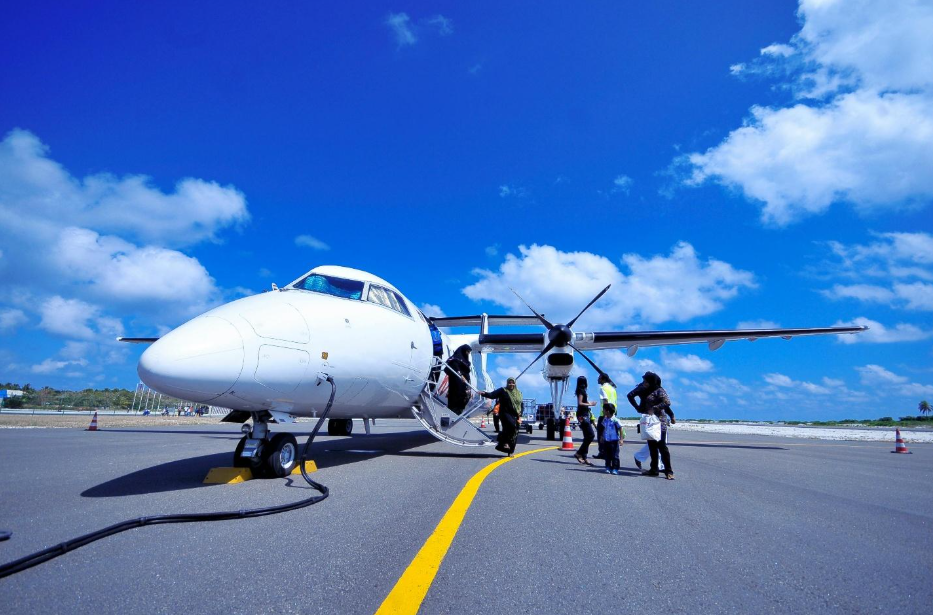
Aircraft are among the most complex and valuable assets in transportation, operating in environments that challenge both their performance and appearance. Exposure to sunlight, moisture, exhaust residue, and airborne debris can gradually degrade an aircraft’s exterior and interior if not addressed properly. While routine mechanical maintenance ensures safety and airworthiness, professional aircraft detailing focuses on preserving surface integrity, aesthetics, and long-term value. Together, these efforts support reliability, efficiency, and responsible ownership.
What Sets Professional Aircraft Detailing Apart
Professional aircraft detailing goes far beyond basic cleaning. It involves specialized techniques, aviation-approved products, and trained technicians who understand the materials and systems unique to aircraft. Unlike automotive detailing, aircraft detailing must account for sensitive composites, aluminum alloys, specialized coatings, and strict regulatory standards.
Professionals approach each aircraft with a methodical process, addressing the fuselage, wings, control surfaces, landing gear, windows, and interior spaces. Every step is designed to protect the aircraft while improving its condition. This attention to detail helps ensure that cleaning and polishing enhance performance rather than introduce risk.
Protecting Aircraft From Environmental Wear
Aircraft are constantly exposed to environmental stressors that can shorten their lifespan if left unaddressed. Ultraviolet radiation can fade paint and weaken protective coatings. Moisture and humidity contribute to corrosion, especially around seams and fasteners. Exhaust deposits and industrial pollutants can cling to surfaces, accelerating deterioration.
Professional detailing removes these contaminants safely and applies protective treatments that act as a barrier against future exposure. Polishing restores smooth surfaces, reducing oxidation and surface drag. Protective waxes and sealants are then applied to help safeguard paint and structural materials, ultimately preserving both appearance and functionality.
Supporting Safety and Inspection Efficiency
Although aircraft detailing is often associated with aesthetics, it also plays a role in safety and maintenance efficiency. Clean surfaces make it easier for technicians and inspectors to identify cracks, corrosion, fluid leaks, or unusual wear during routine checks. Dirt and residue can obscure early warning signs that would otherwise be visible on a well-maintained surface.
Clear, polished windows and windshields also enhance pilot visibility, particularly during taxi, takeoff, and landing. Interior detailing contributes as well by maintaining clean, organized cockpits and cabins, reducing distractions and creating a safer operating environment overall.
Preserving Value and Professional Image
Aircraft represent substantial financial investments, and their condition directly influences resale, lease, and charter value. Professional detailing helps protect this investment by maintaining finishes, materials, and cabin components in top condition. A well-detailed aircraft signals proper care and responsible ownership, which can positively influence market perception.
For corporate and charter operators, appearance also reflects brand standards and professionalism. Clients and passengers often form impressions based on cabin cleanliness and exterior presentation. Using the correct tools and aircraft detailing items ensures that every surface is treated appropriately, contributing to a polished, trustworthy image that aligns with high operational standards.
Long-Term Cost Savings Through Preventive Care
While professional detailing represents an ongoing expense, it often reduces long-term maintenance costs. Removing corrosive substances early prevents more serious damage that could require costly repairs or repainting. Conditioning interior materials extends the life of leather, fabrics, and plastics, reducing replacement frequency.
Regular detailing also supports better planning by keeping aircraft in a known, well-maintained state. When cosmetic and surface issues are addressed consistently, maintenance teams can focus more effectively on mechanical performance rather than reacting to preventable deterioration. Over time, this proactive approach supports both financial efficiency and operational reliability.
Conclusion
Professional aircraft detailing is an essential component of comprehensive aircraft care. By protecting surfaces, supporting safety, preserving value, and reducing long-term costs, detailing plays a role that extends far beyond appearance alone. When performed consistently and by trained professionals, it enhances both the lifespan and performance of an aircraft. For owners and operators committed to excellence, professional aircraft detailing is not an optional service, but a critical investment in quality, safety, and longevity.


How AI is Making Financial Management Faster and Smarter in 2026

How HR Compliance Training Builds a Culture of Accountability

How to Turn Casual Listeners Into Loyal Fans on Streaming Platforms

Innovative TikTok Video Concepts: AR Filters and Interactive Polls for Growth

Master the “The Upload Phase”: How the First 12 Hours on SoundCloud Determine Your Reach?

Building Influence with Mixx: A Guide for 2026 Creators

Competitor Shadowing: Using Private Twitter Lists to Monitor Rival Brands

How Wealth Managers Help Protect Your Financial Legacy

What to Expect When Working With an Architect

The Importance of Professional Aircraft Detailing

5starsstocks.com: Your Trusted Resource for Stock Market Insights and Analysis

The Enigma of “тщквыекщь” – A Deep Exploration into Digital Mystery and Linguistic Curiosity

Who Is Maria Dylan? The Untold Story of Bob Dylan’s Daughter

Basniãƒâ€žã‚â ky na Dobru Noc – Heartwarming Bedtime Stories for Peaceful Sleep

Jelani Asar Snipes: The Rising Actor You Need to Know About

Everything You Need to Know About Stella Busina Matthews: A Comprehensive Guide

Timothy Byers Affleck: The Father Behind Ben and Casey Affleck

Exploring the Dynamic World of sã³fbol: A Sport Shaping Communities and Cultures

Inside Numberlina.com – Your Trusted Hub for Smart Financial Tools and Calculators

Boylecheloid: Meaning, Causes, Symptoms, and Complete Guide to Understanding This Rarely Discussed Skin Condition
5starsstocks.com: Your Trusted Resource for Stock Market Insights and Analysis
The Enigma of “тщквыекщь” – A Deep Exploration into Digital Mystery and Linguistic Curiosity
Who Is Maria Dylan? The Untold Story of Bob Dylan’s Daughter
Basniãƒâ€žã‚â ky na Dobru Noc – Heartwarming Bedtime Stories for Peaceful Sleep
Jelani Asar Snipes: The Rising Actor You Need to Know About
Everything You Need to Know About Stella Busina Matthews: A Comprehensive Guide
Timothy Byers Affleck: The Father Behind Ben and Casey Affleck
Exploring the Dynamic World of sã³fbol: A Sport Shaping Communities and Cultures
Inside Numberlina.com – Your Trusted Hub for Smart Financial Tools and Calculators
Boylecheloid: Meaning, Causes, Symptoms, and Complete Guide to Understanding This Rarely Discussed Skin Condition
-
 Tech1 year ago
5starsstocks.com: Your Trusted Resource for Stock Market Insights and Analysis
-
 Tech12 months ago
The Enigma of “тщквыекщь” – A Deep Exploration into Digital Mystery and Linguistic Curiosity
-
 Celebrity2 years ago
Who Is Maria Dylan? The Untold Story of Bob Dylan’s Daughter
-
 Life Style12 months ago
Basniãƒâ€žã‚â ky na Dobru Noc – Heartwarming Bedtime Stories for Peaceful Sleep
-
 Celebrity2 years ago
Jelani Asar Snipes: The Rising Actor You Need to Know About
-
 Uncategorized2 years ago
Everything You Need to Know About Stella Busina Matthews: A Comprehensive Guide
-
 Sports11 months ago
Exploring the Dynamic World of sã³fbol: A Sport Shaping Communities and Cultures
-
 Celebrity2 years ago
Timothy Byers Affleck: The Father Behind Ben and Casey Affleck