
Tech
What to Expect When Working With an Architect

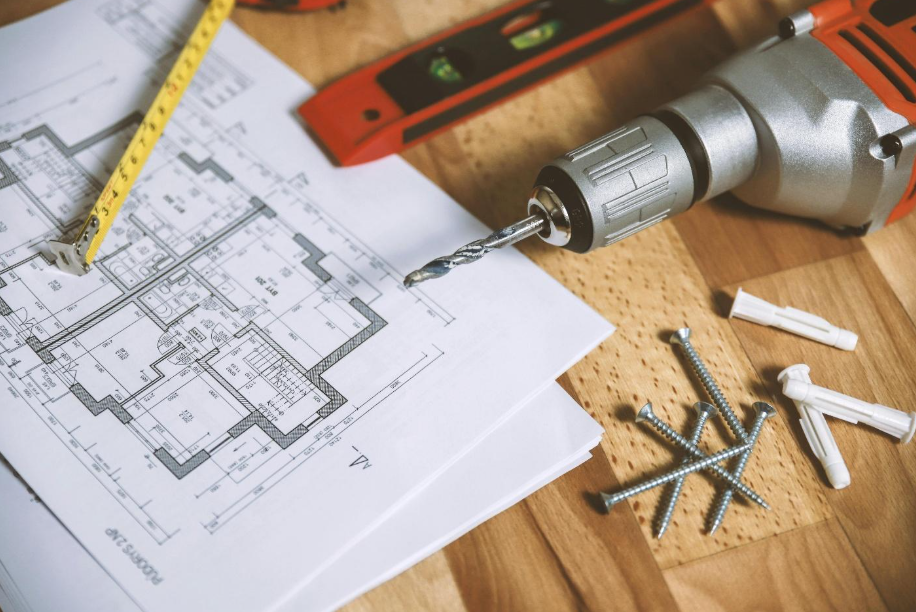
Working with an architect is a collaborative process that brings clarity, creativity, and structure to a building project. Whether you are planning a new home, a renovation, or a commercial space, an architect helps translate ideas into a well-designed, functional environment. For many clients, the process can feel unfamiliar at first. Understanding what to expect when working with an architect makes the experience smoother and helps ensure that the final result aligns with both practical needs and long-term goals.
The Initial Consultation and Goal Setting
The process typically begins with an initial consultation focused on understanding your vision. During this stage, the architect listens carefully to your ideas, preferences, budget considerations, and timeline expectations. You may discuss how the space will be used, what features are most important, and any challenges associated with the site.
This early dialogue establishes the foundation for the project. Architects ask detailed questions to uncover priorities that may not be immediately obvious, such as future expansion plans or lifestyle changes. The outcome of this phase is a clearer definition of scope, helping both parties align expectations before design work officially begins.
The Design Development Phase
Once goals are established, the architect moves into design development. This is an iterative process where concepts evolve into more detailed plans. Early sketches and layouts explore multiple options, allowing you to visualize how different design choices affect flow, light, and usability.
As the design progresses, these concepts become refined drawings that incorporate structure, materials, and spatial relationships. Client feedback remains a key part of this phase. An architect balances creative refinement with practical constraints, ensuring the design remains achievable while still expressing your vision.
Coordination With Technical Specialists
Architectural design does not exist in isolation. Throughout the project, architects coordinate with engineers, consultants, and other specialists to ensure the design performs as intended. Structural, mechanical, electrical, and energy systems must all align with architectural plans.
This coordination reduces conflicts during construction and supports efficient problem-solving. Clients benefit from having a central professional managing these relationships, which simplifies communication and helps maintain consistency. For those engaging Aspen architects services, this integrated approach is especially valuable in projects that require sensitivity to climate, terrain, and local design standards.
Construction Documentation and Contractor Collaboration
After design approval, the architect produces detailed construction documents. These drawings and specifications provide clear instructions for contractors, minimizing guesswork and reducing the likelihood of costly errors. Well-prepared documents are essential for accurate pricing and smooth execution.
During construction, architects often remain involved to review progress, address unforeseen issues, and confirm that work aligns with the design intent. This oversight helps protect the quality of the finished space while allowing flexibility if adjustments are needed. Clients typically appreciate having an expert advocate on their behalf during this phase.
Communication, Timeline, and Client Involvement
Clear communication is a defining element of a successful architect-client relationship. Architects provide regular updates, explain design decisions, and help clients understand timelines and next steps. While the architect manages many technical details, client involvement remains important at key decision points.
Understanding that design is a process—not a single moment—helps set realistic expectations. Revisions, refinements, and discussions are normal and contribute to a stronger final outcome. A transparent workflow ensures that both architect and client move forward with confidence and shared understanding.
Conclusion
Working with an architect is a structured yet creative partnership that supports thoughtful decision-making from concept to completion. By understanding the stages of consultation, design, coordination, and construction support, clients can approach the process with clarity and confidence. The result is a well-designed space that reflects personal goals, responds to its environment, and stands the test of time.


How AI is Making Financial Management Faster and Smarter in 2026

How HR Compliance Training Builds a Culture of Accountability

How to Turn Casual Listeners Into Loyal Fans on Streaming Platforms

Innovative TikTok Video Concepts: AR Filters and Interactive Polls for Growth

Master the “The Upload Phase”: How the First 12 Hours on SoundCloud Determine Your Reach?

Building Influence with Mixx: A Guide for 2026 Creators

Competitor Shadowing: Using Private Twitter Lists to Monitor Rival Brands

How Wealth Managers Help Protect Your Financial Legacy

What to Expect When Working With an Architect

The Importance of Professional Aircraft Detailing

5starsstocks.com: Your Trusted Resource for Stock Market Insights and Analysis

The Enigma of “тщквыекщь” – A Deep Exploration into Digital Mystery and Linguistic Curiosity

Who Is Maria Dylan? The Untold Story of Bob Dylan’s Daughter

Basniãƒâ€žã‚â ky na Dobru Noc – Heartwarming Bedtime Stories for Peaceful Sleep

Jelani Asar Snipes: The Rising Actor You Need to Know About

Everything You Need to Know About Stella Busina Matthews: A Comprehensive Guide

Timothy Byers Affleck: The Father Behind Ben and Casey Affleck

Exploring the Dynamic World of sã³fbol: A Sport Shaping Communities and Cultures

Inside Numberlina.com – Your Trusted Hub for Smart Financial Tools and Calculators

Boylecheloid: Meaning, Causes, Symptoms, and Complete Guide to Understanding This Rarely Discussed Skin Condition
5starsstocks.com: Your Trusted Resource for Stock Market Insights and Analysis
The Enigma of “тщквыекщь” – A Deep Exploration into Digital Mystery and Linguistic Curiosity
Who Is Maria Dylan? The Untold Story of Bob Dylan’s Daughter
Basniãƒâ€žã‚â ky na Dobru Noc – Heartwarming Bedtime Stories for Peaceful Sleep
Jelani Asar Snipes: The Rising Actor You Need to Know About
Everything You Need to Know About Stella Busina Matthews: A Comprehensive Guide
Timothy Byers Affleck: The Father Behind Ben and Casey Affleck
Exploring the Dynamic World of sã³fbol: A Sport Shaping Communities and Cultures
Inside Numberlina.com – Your Trusted Hub for Smart Financial Tools and Calculators
Boylecheloid: Meaning, Causes, Symptoms, and Complete Guide to Understanding This Rarely Discussed Skin Condition
-
 Tech1 year ago
5starsstocks.com: Your Trusted Resource for Stock Market Insights and Analysis
-
 Tech12 months ago
The Enigma of “тщквыекщь” – A Deep Exploration into Digital Mystery and Linguistic Curiosity
-
 Celebrity2 years ago
Who Is Maria Dylan? The Untold Story of Bob Dylan’s Daughter
-
 Life Style12 months ago
Basniãƒâ€žã‚â ky na Dobru Noc – Heartwarming Bedtime Stories for Peaceful Sleep
-
 Celebrity2 years ago
Jelani Asar Snipes: The Rising Actor You Need to Know About
-
 Uncategorized2 years ago
Everything You Need to Know About Stella Busina Matthews: A Comprehensive Guide
-
 Sports11 months ago
Exploring the Dynamic World of sã³fbol: A Sport Shaping Communities and Cultures
-
 Celebrity2 years ago
Timothy Byers Affleck: The Father Behind Ben and Casey Affleck