
Tech
PostedRequirementsTypeCompany: Understanding a Modern Requirement-Driven Business Structure

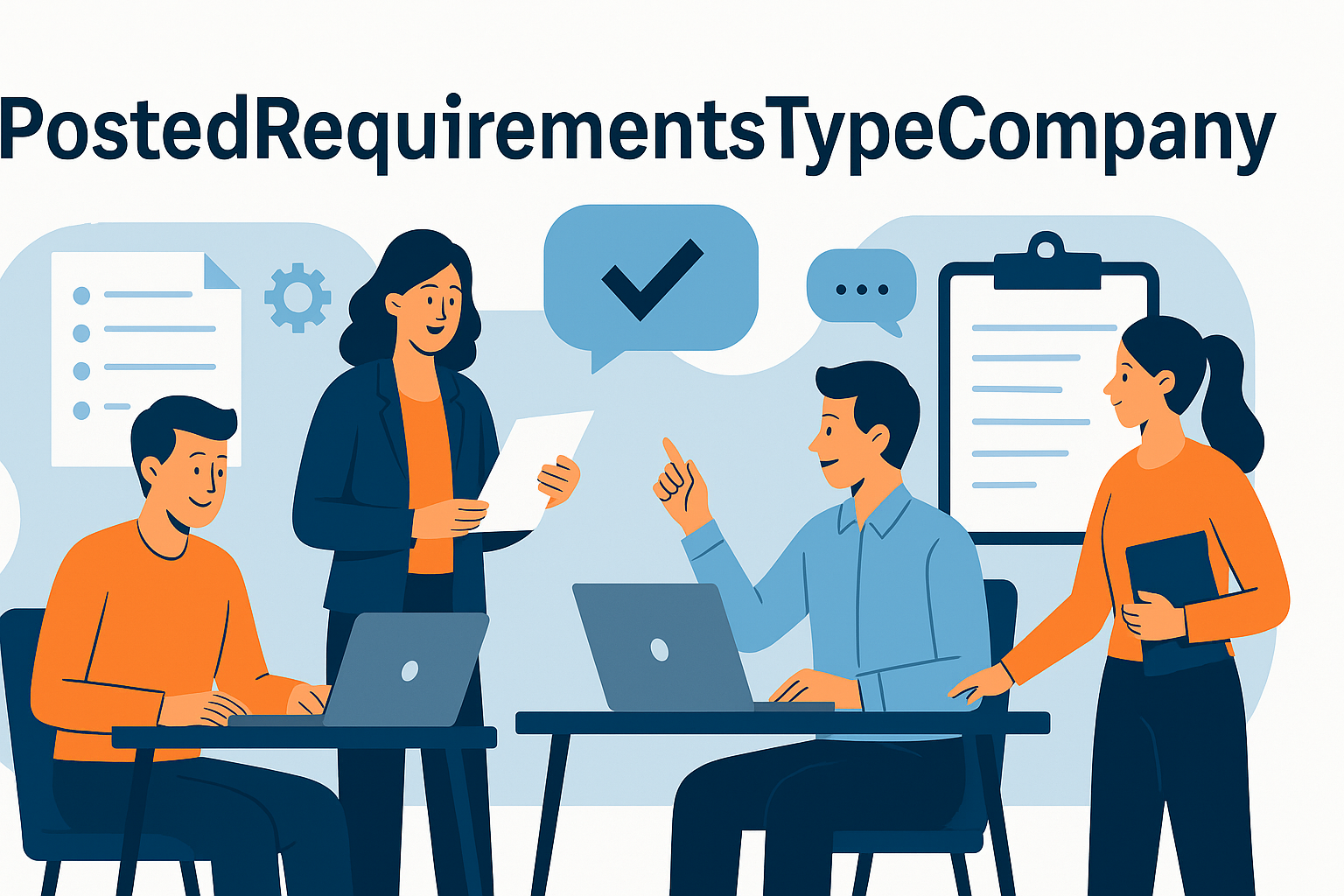
In today’s rapidly advancing digital landscape, new business structures and operational models are emerging with remarkable speed. One such concept gaining attention is PostedRequirementsTypeCompany. Although the phrase sounds technical, it reflects a practical and evolving business approach centered on posting, managing, and fulfilling requirements. These requirements may include project needs, job tasks, product specifications, or service demands. As companies shift toward digital ecosystems, the PostedRequirementsTypeCompany model becomes increasingly relevant.
This article explores the meaning, importance, operations, benefits, challenges, and future potential of PostedRequirementsTypeCompany. Written in a human, unique style, this comprehensive guide will help you fully understand how this modern business model works in today’s interconnected world.
What Is a PostedRequirementsTypeCompany?
A PostedRequirementsTypeCompany is a business or platform built around the concept of posting requirements. These requirements function as the core of the company’s operations. They can be tasks, project needs, job listings, service requests, procurement demands, or any specification requiring fulfillment.
Rather than working through traditional business interactions, a PostedRequirementsTypeCompany focuses on creating a structured environment where:
-
Requirements are clearly posted
-
Providers or experts find these requirements
-
Both parties connect, negotiate, and fulfill them
This model bridges gaps between needs and solutions. It acts as a central ecosystem where individuals, organizations, and service providers operate through requirement-based communication.
Why PostedRequirementsTypeCompany Models Matter in the Digital Era
Modern industries rely heavily on clear communication and efficient workflows. The PostedRequirementsTypeCompany concept matters because it supports global collaboration, remote work, and fast-paced project environments.
Several trends explain its rise in popularity:
Digital Transformation
Businesses are shifting their operations online, creating the need for centralized platforms that handle requirements efficiently.
Growth of Gig Work
Freelancers, digital contractors, and independent experts use requirement-based platforms to find work.
Complexity of Modern Projects
Companies working on large projects need specific tools and processes that simplify requirement posting.
On-Demand Services
People want fast, accurate solutions. Requirement posting companies make it easy to match tasks with experts quickly.
The growing need for accuracy, speed, and connectivity makes PostedRequirementsTypeCompany a powerful operational model.
Key Functions of a PostedRequirementsTypeCompany
To understand how these companies operate, it’s important to break down their core functions. Although each platform may differ, the fundamental processes are similar.
Requirement Posting
Users or organizations post detailed requirements on the platform. These requirements may include:
-
Skill level needed
-
Budget
-
Timeline
-
Project description
-
Desired outcome
Clear requirements help providers understand expectations.
Matching or Proposal Submission
Depending on the system, the company may use:
-
Manual matching
-
Automated algorithms
-
Open bidding systems
-
AI-driven recommendation engines
This step connects needs with capable providers.
Communication and Negotiation
Once a match is made, both sides discuss:
-
Terms
-
Deadlines
-
Costs
-
Deliverables
This communication ensures clarity before work begins.
Fulfillment and Progress Tracking
The provider completes the requirement. Some platforms offer tools for:
-
Milestone tracking
-
Delivery uploads
-
Status updates
This maintains transparency throughout the process.
Completion and Feedback
Both parties may leave reviews or ratings. This improves platform quality and builds trust.
Industries That Benefit from the PostedRequirementsTypeCompany Model
The versatility of this model makes it valuable across multiple industries.
Technology and Software Development
Developers may accept tasks such as coding, debugging, or app development through posted requirements.
Human Resources and Recruitment
Companies post job requirements and receive applicant responses instantly.
Creative and Marketing Industries
Designers, writers, and marketers respond to project-specific requirements.
Construction and Engineering
Project managers post material needs, labor requirements, or technical specifications.
Supply Chain and Manufacturing
Companies post procurement requirements, and suppliers respond with quotes.
Education and Academia
Students and researchers use requirement-based platforms for academic help or research collaboration.
Service-Based Industries
From cleaning to consulting, requirement posting platforms link customers with providers.
The model can adapt to any environment where needs must be clearly expressed and fulfilled.
Benefits of a PostedRequirementsTypeCompany
There are numerous advantages to using or operating such a company.
Clarity and Transparency
Detailed requirements minimize misunderstandings and ensure everyone is aligned.
Faster Response Times
Matches happen quickly, improving workflow efficiency.
Global Reach
Providers and clients can collaborate from anywhere in the world.
Cost-Effectiveness
Competition ensures reasonable pricing for services and tasks.
Scalability
Individuals, small businesses, and large enterprises all benefit equally.
Simplified Workflow
The process is organized, efficient, and easy to follow.
Professional Ecosystem
A well-managed PostedRequirementsTypeCompany builds trust and reliability among users.
These benefits help make requirement-based platforms essential in modern industries.
Common Challenges Faced by These Companies
Despite their strengths, PostedRequirementsTypeCompany platforms also face certain challenges.
Unclear Requirements
Ambiguous postings lead to misunderstandings or poor results.
Quality Control
Ensuring providers are legitimate and skilled can be difficult.
Overcrowding
Too many applicants on a single requirement can overwhelm clients.
Fraud or Misrepresentation
Without verification systems, some users may misuse the platform.
Maintaining Balance
Platforms must serve both clients and providers without bias.
Addressing these challenges is crucial for long-term stability.
The Future of PostedRequirementsTypeCompany Models
The future holds significant promise for this model. As technology evolves, several advancements will shape the next stage of requirement-driven companies.
AI-Enhanced Requirement Creation
AI will help users automatically generate complete, structured requirements.
Smart Matching Systems
Advanced algorithms will instantly pair needs with the best available professionals.
Integrated Project Management Tools
Platforms may include:
-
Contract automation
-
Progress dashboards
-
Payment gateways
Global Collaboration Spaces
These companies will support multinational teams working together seamlessly.
Blockchain Verification
Identity verification and contract agreements may use blockchain for security.
Multi-Service Ecosystems
One platform may eventually offer posting, matching, payment, delivery, storage, and performance tracking all in one system.
These innovations will make PostedRequirementsTypeCompany models more efficient and influential.
Conclusion
The concept of PostedRequirementsTypeCompany represents a powerful shift toward clarity, efficiency, and collaboration in the digital age. By focusing on posting and fulfilling requirements, this model creates an environment where needs and solutions connect seamlessly. Whether used for jobs, projects, services, or procurement, it offers a structured and reliable way to manage essential tasks.
As businesses continue moving toward remote work, digital collaboration, and automation, requirement-focused companies will only grow in importance. The PostedRequirementsTypeCompany model is not just a trend but a significant step in the evolution of modern work and service ecosystems.


How AI is Making Financial Management Faster and Smarter in 2026

How HR Compliance Training Builds a Culture of Accountability

How to Turn Casual Listeners Into Loyal Fans on Streaming Platforms

Innovative TikTok Video Concepts: AR Filters and Interactive Polls for Growth

Master the “The Upload Phase”: How the First 12 Hours on SoundCloud Determine Your Reach?

Building Influence with Mixx: A Guide for 2026 Creators

Competitor Shadowing: Using Private Twitter Lists to Monitor Rival Brands

How Wealth Managers Help Protect Your Financial Legacy

What to Expect When Working With an Architect

The Importance of Professional Aircraft Detailing

5starsstocks.com: Your Trusted Resource for Stock Market Insights and Analysis

Who Is Maria Dylan? The Untold Story of Bob Dylan’s Daughter

Jelani Asar Snipes: The Rising Actor You Need to Know About

Everything You Need to Know About Stella Busina Matthews: A Comprehensive Guide

Inside Numberlina.com – Your Trusted Hub for Smart Financial Tools and Calculators

Timothy Byers Affleck: The Father Behind Ben and Casey Affleck

Violet Myers Net Worth: Career Earnings and Life Overview

Inside Showbizztoday.com: Celebrity News and Pop Culture Updates

Who is Karima Jackson? The Untold Story of Ice Cube’s Daughter

Who is Jane Elizabeth Ebsworth Oriel? The Untold Story of David Attenborough’s Wife
5starsstocks.com: Your Trusted Resource for Stock Market Insights and Analysis
Who Is Maria Dylan? The Untold Story of Bob Dylan’s Daughter
Jelani Asar Snipes: The Rising Actor You Need to Know About
Everything You Need to Know About Stella Busina Matthews: A Comprehensive Guide
Inside Numberlina.com – Your Trusted Hub for Smart Financial Tools and Calculators
Timothy Byers Affleck: The Father Behind Ben and Casey Affleck
Violet Myers Net Worth: Career Earnings and Life Overview
Inside Showbizztoday.com: Celebrity News and Pop Culture Updates
Who is Karima Jackson? The Untold Story of Ice Cube’s Daughter
Who is Jane Elizabeth Ebsworth Oriel? The Untold Story of David Attenborough’s Wife
-
 Tech6 months ago
5starsstocks.com: Your Trusted Resource for Stock Market Insights and Analysis
-
 Celebrity11 months ago
Who Is Maria Dylan? The Untold Story of Bob Dylan’s Daughter
-
 Celebrity11 months ago
Jelani Asar Snipes: The Rising Actor You Need to Know About
-
 Uncategorized11 months ago
Everything You Need to Know About Stella Busina Matthews: A Comprehensive Guide
-
 Business10 months ago
Inside Numberlina.com – Your Trusted Hub for Smart Financial Tools and Calculators
-
 Celebrity11 months ago
Timothy Byers Affleck: The Father Behind Ben and Casey Affleck
-
 Uncategorized10 months ago
Violet Myers Net Worth: Career Earnings and Life Overview
-
 Uncategorized10 months ago
Inside Showbizztoday.com: Celebrity News and Pop Culture Updates