
Business
Riverbank Collapse Iford Playing Fields: A Wake-Up Call for Environmental Resilience

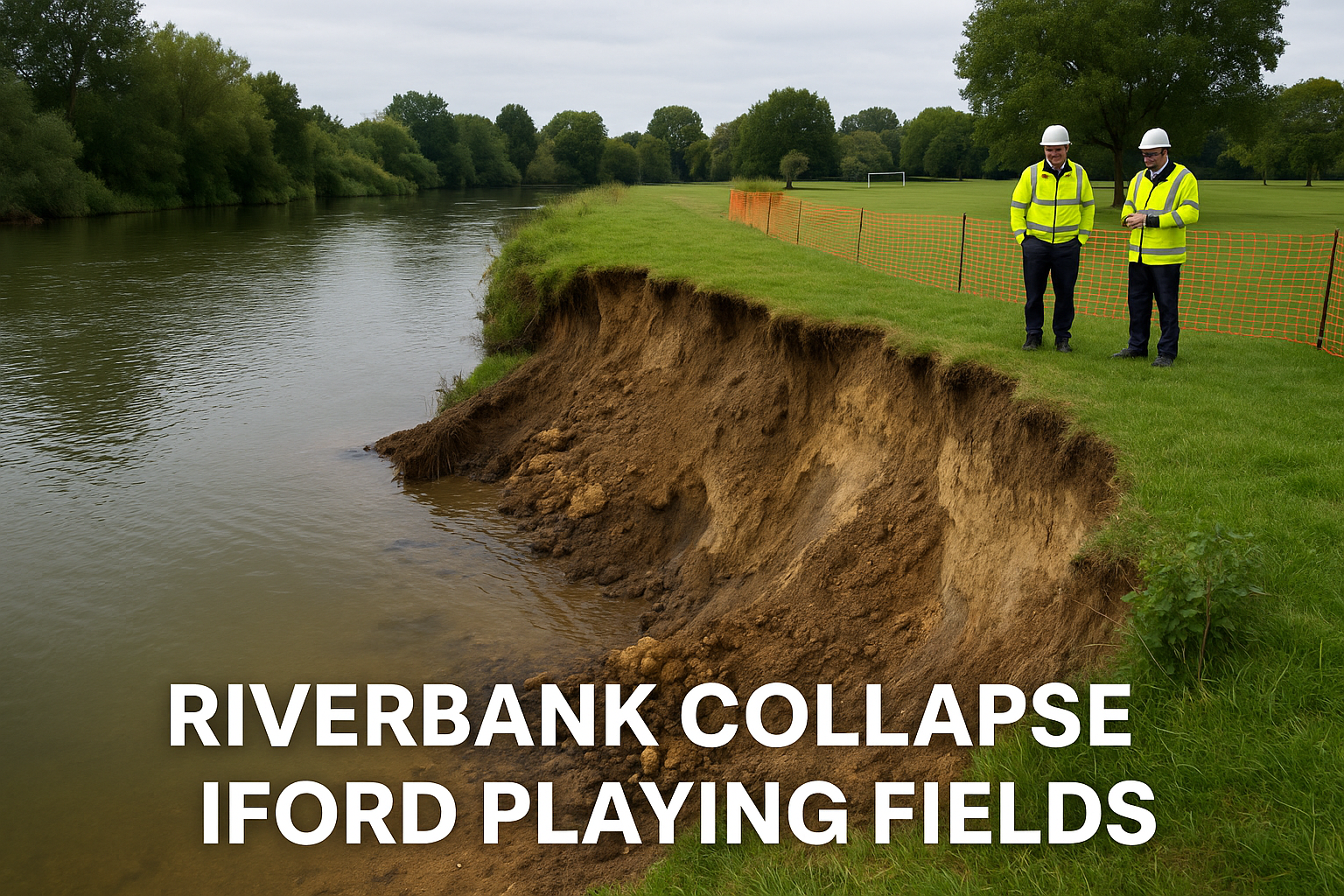
The recent riverbank collapse Iford Playing Fields has become a subject of deep concern among local residents, environmentalists, and regional authorities. Iford Playing Fields, located along the serene River Stour near Bournemouth, is a beloved community area cherished for its lush green fields, sports facilities, and walking paths. Yet, behind this picturesque setting lies an unfolding environmental challenge that has highlighted the growing vulnerabilities of our natural landscapes in the face of climate change and human influence.
This article dives deep into the causes, consequences, and ongoing recovery efforts following the riverbank collapse. It also examines how the incident serves as a crucial reminder of the need for proactive management of natural spaces in urban and suburban areas.
Understanding Iford Playing Fields
Iford Playing Fields has long served as an essential recreational hub for the local community. Families gather there for picnics, sports clubs host weekend matches, and residents enjoy walks along the River Stour. The playing fields also play an ecological role, acting as part of a natural floodplain system that absorbs excess rainwater and reduces flooding risks for surrounding neighborhoods.
However, this close relationship with the river comes at a cost. The same water that nourishes the area has, over the years, gradually eroded the riverbanks, making certain parts increasingly unstable. What started as minor erosion soon evolved into a significant collapse—one that now threatens not just the landscape but also public access and ecological balance.
Causes of the Riverbank Collapse Iford Playing Fields
Environmental experts have identified several interconnected factors that contributed to the riverbank collapse Iford Playing Fields. These factors highlight how both natural and human-driven changes can destabilize delicate ecosystems.
1. Natural Erosion and River Flow
The River Stour, like any flowing body of water, constantly reshapes its path through natural erosion. Over time, the continuous movement of water wears away the soil on the riverbank, especially in sections where the current is strongest. Without sufficient vegetation or structural support, the soil becomes loose, leading to slumping and eventual collapse.
2. Heavy Rainfall and Flooding
In recent years, southern England has seen an increase in heavy rainfall events linked to climate change. These intense rainfalls swell the river, increasing water pressure against the banks. When water levels recede rapidly, the weakened soil can no longer hold together, resulting in sudden collapses.
3. Loss of Vegetation
Vegetation, particularly trees and shrubs, serves as a natural reinforcement system for riverbanks. Their roots bind the soil and reduce erosion. In some areas of Iford Playing Fields, vegetation was either removed during maintenance or damaged by flooding, leaving bare patches of soil that became vulnerable to washout.
4. Human Activity and Soil Compaction
The popularity of Iford Playing Fields means the ground near the river is frequently trodden by walkers, cyclists, and dog owners. Over time, this human activity compacts the soil, reducing its ability to absorb water. Compacted soil increases surface runoff, accelerating erosion along the edges of the riverbank.
5. Climate Change Impacts
Climate change plays a major role in amplifying natural processes. Rising temperatures contribute to irregular rainfall patterns, stronger storms, and shifting river dynamics. The riverbank collapse Iford Playing Fields stands as a direct consequence of these broader global patterns affecting local ecosystems.
Immediate Effects on the Environment and Community
The collapse has had both visible and invisible repercussions across the area.
Environmental Impact
When a section of the riverbank gives way, tons of sediment and debris flow into the water. This increased sediment load reduces water quality and can suffocate aquatic habitats. Fish, amphibians, and plants that rely on clear, oxygen-rich water struggle to survive in these conditions.
Additionally, the loss of bank vegetation affects biodiversity. Many birds, insects, and small mammals depend on the riverside foliage for nesting and food sources. The collapse disrupts these habitats, leading to ecological imbalances.
Safety and Accessibility
After the collapse, certain walking paths and recreational zones were temporarily closed to ensure public safety. The ground instability presents a serious risk of further collapse, and authorities have installed barriers to prevent access to the most dangerous sections.
Economic and Infrastructural Impact
Repairing the damage is not only time-consuming but also costly. The local council must allocate funds for soil stabilization, replanting, and pathway reconstruction. There are also long-term concerns about how to prevent similar incidents in other areas along the River Stour.
Ongoing Restoration and Recovery Efforts
Efforts to stabilize and restore the riverbank collapse Iford Playing Fields are already underway, combining engineering solutions with ecological restoration.
1. Structural Reinforcement
Environmental engineers are implementing sustainable reinforcement methods, such as willow spiling—a traditional technique using living willow branches woven into the bank to create a natural yet strong barrier. These living structures grow roots that anchor the soil while blending seamlessly with the landscape.
In some sections, biodegradable materials like coir rolls and geotextiles are being used to hold the soil in place while new plants establish their root systems.
2. Replanting and Habitat Restoration
Revegetation is one of the most critical steps in restoring stability. Local conservation volunteers, together with environmental agencies, are planting native grasses, shrubs, and trees to rebuild the riverbank ecosystem. These plants not only strengthen the soil but also attract wildlife back to the area.
3. Hydrological and Geotechnical Assessments
Experts are studying the hydrology of the River Stour to understand how water flow interacts with soil composition in Iford Playing Fields. Using this data, future management plans can better anticipate high-risk erosion zones and implement preventive actions before damage occurs.
4. Community Engagement
Local residents have shown great interest in the restoration process. Awareness campaigns and community clean-up events are helping people understand their role in protecting the environment. Educational signage around the site explains the importance of riverbank stability and how small actions—like staying on designated paths—can make a big difference.
5. Long-Term Monitoring
Authorities plan to introduce a continuous monitoring system using sensors and periodic surveys. These tools will help detect early signs of erosion, making it easier to act before major collapses occur again.
The Broader Implications
The riverbank collapse Iford Playing Fields is not just a local issue; it reflects a global challenge. Across the UK and other parts of the world, similar erosion problems are emerging due to urbanization, deforestation, and climate-related changes.
This event underscores the importance of sustainable land and water management policies. Urban planners and environmental authorities must prioritize natural infrastructure—like wetlands, trees, and floodplains—over artificial barriers. Nature-based solutions not only protect the environment but also save money in the long term by preventing costly disasters.
Furthermore, the collapse demonstrates the interconnectedness between human activity and the natural world. Every pathway paved too close to a river, every tree removed for maintenance, and every storm intensified by global warming contributes to the fragility of our landscapes.
Moving Toward a Resilient Future
Iford Playing Fields is now at a crossroads—between damage and renewal. The collapse has caused disruption, but it has also sparked a renewed commitment to sustainability and community involvement. With proper restoration, Iford could become a model of how public spaces can coexist with nature without compromising environmental integrity.
In the long run, the lessons learned from this event could shape better management strategies not only for the River Stour but for riverside parks nationwide. Collaboration between scientists, policymakers, and citizens will be the key to ensuring that natural beauty and safety go hand in hand.
Conclusion
The riverbank collapse Iford Playing Fields serves as both a warning and an opportunity. It warns us of the consequences of neglecting environmental stability but also offers a chance to rebuild with resilience and foresight. By combining scientific expertise, sustainable design, and community action, Iford Playing Fields can once again thrive as a vibrant, safe, and ecologically rich space for everyone.
Nature has a powerful way of reminding us that balance is essential. The collapse at Iford Playing Fields is a call to protect, respect, and restore the natural systems that sustain our communities—before it’s too late.


How AI is Making Financial Management Faster and Smarter in 2026

How HR Compliance Training Builds a Culture of Accountability

How to Turn Casual Listeners Into Loyal Fans on Streaming Platforms

Innovative TikTok Video Concepts: AR Filters and Interactive Polls for Growth

Master the “The Upload Phase”: How the First 12 Hours on SoundCloud Determine Your Reach?

Building Influence with Mixx: A Guide for 2026 Creators

Competitor Shadowing: Using Private Twitter Lists to Monitor Rival Brands

How Wealth Managers Help Protect Your Financial Legacy

What to Expect When Working With an Architect

The Importance of Professional Aircraft Detailing

5starsstocks.com: Your Trusted Resource for Stock Market Insights and Analysis

Who Is Maria Dylan? The Untold Story of Bob Dylan’s Daughter

Jelani Asar Snipes: The Rising Actor You Need to Know About

Everything You Need to Know About Stella Busina Matthews: A Comprehensive Guide

Inside Numberlina.com – Your Trusted Hub for Smart Financial Tools and Calculators

Timothy Byers Affleck: The Father Behind Ben and Casey Affleck

Violet Myers Net Worth: Career Earnings and Life Overview

Inside Showbizztoday.com: Celebrity News and Pop Culture Updates

Who is Karima Jackson? The Untold Story of Ice Cube’s Daughter

Who is Jane Elizabeth Ebsworth Oriel? The Untold Story of David Attenborough’s Wife
5starsstocks.com: Your Trusted Resource for Stock Market Insights and Analysis
Who Is Maria Dylan? The Untold Story of Bob Dylan’s Daughter
Jelani Asar Snipes: The Rising Actor You Need to Know About
Everything You Need to Know About Stella Busina Matthews: A Comprehensive Guide
Inside Numberlina.com – Your Trusted Hub for Smart Financial Tools and Calculators
Timothy Byers Affleck: The Father Behind Ben and Casey Affleck
Violet Myers Net Worth: Career Earnings and Life Overview
Inside Showbizztoday.com: Celebrity News and Pop Culture Updates
Who is Karima Jackson? The Untold Story of Ice Cube’s Daughter
Who is Jane Elizabeth Ebsworth Oriel? The Untold Story of David Attenborough’s Wife
-
 Tech6 months ago
5starsstocks.com: Your Trusted Resource for Stock Market Insights and Analysis
-
 Celebrity11 months ago
Who Is Maria Dylan? The Untold Story of Bob Dylan’s Daughter
-
 Celebrity11 months ago
Jelani Asar Snipes: The Rising Actor You Need to Know About
-
 Uncategorized11 months ago
Everything You Need to Know About Stella Busina Matthews: A Comprehensive Guide
-
 Business10 months ago
Inside Numberlina.com – Your Trusted Hub for Smart Financial Tools and Calculators
-
 Celebrity11 months ago
Timothy Byers Affleck: The Father Behind Ben and Casey Affleck
-
 Uncategorized10 months ago
Violet Myers Net Worth: Career Earnings and Life Overview
-
 Uncategorized10 months ago
Inside Showbizztoday.com: Celebrity News and Pop Culture Updates